The Importance of Thinking in "Waste Flow" Instead of One-Off Disposal
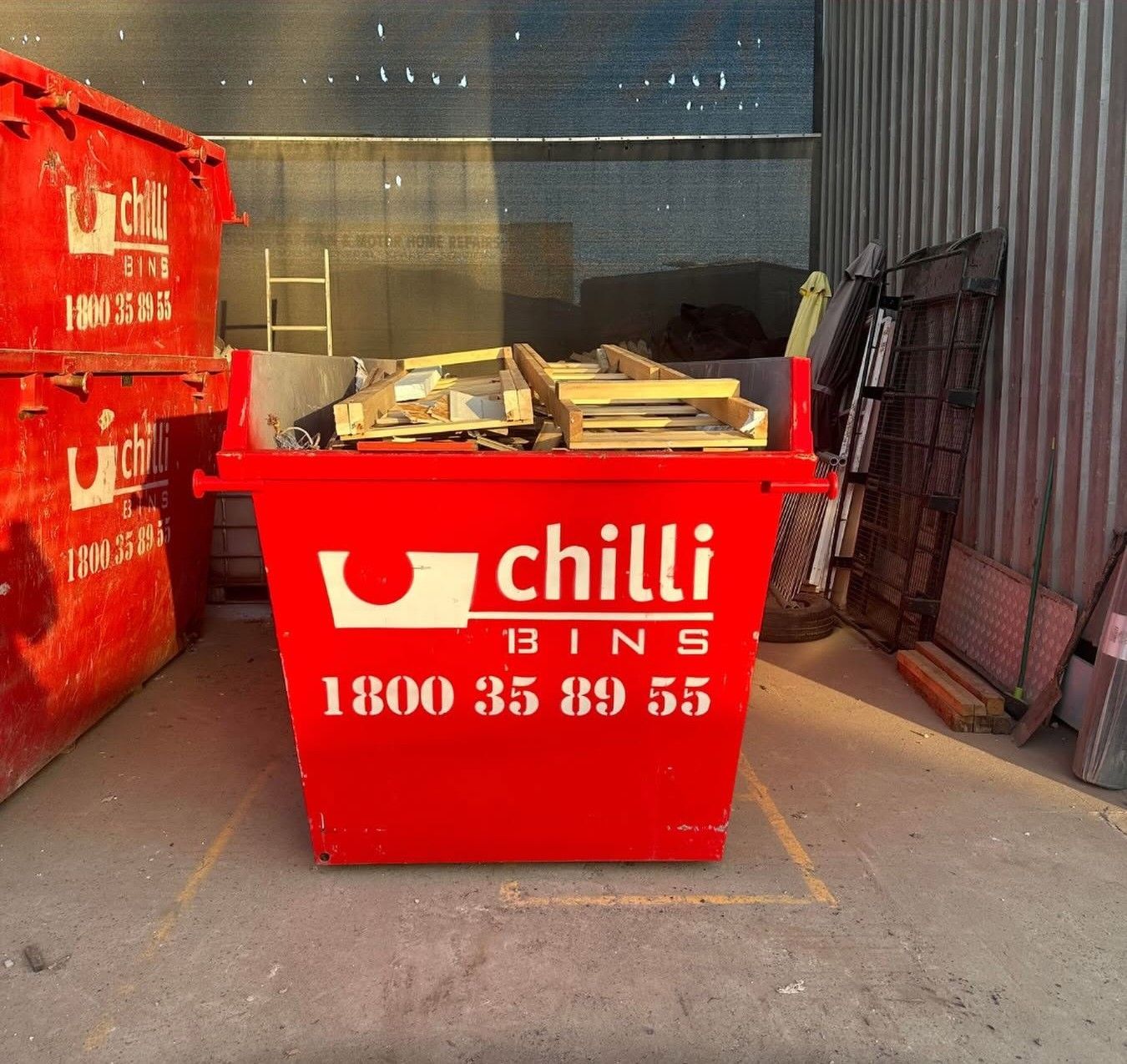
Most businesses think about waste in the same way they think about a leaking tap — deal with it when it becomes a problem, and move on. A skip bin gets ordered when things overflow, a bin gets emptied when it's full and rubbish gets removed when it's impossible to ignore. It works, sort of. But it's also the most expensive, least efficient and most environmentally costly way to manage waste.
If you're relying on skip bin hire in Caloundra to manage ongoing output from a commercial site, a construction project or an industrial facility, it's worth asking whether you're solving a disposal problem or managing a waste system. That distinction matters more than most people realise.
What "Waste Flow" Actually Means
Waste flow is not a trendy sustainability concept. It's a practical framework for understanding waste as something that moves through your operation rather than as something that simply accumulates until someone deals with it.
When you look at waste as a flow, a few things become immediately clear:
- Every step in the chain has a cost, and inefficiencies compound as waste moves through it.
- The decisions made early in the flow (how waste is generated and sorted) have the biggest impact on outcomes downstream.
- Reactive waste management consistently costs more than planned waste management.
Understanding that flow is the first step toward designing something better.
Why Reactive Disposal Creates More Problems Than It Solves
Reactive waste management — ordering a bin when you're out of space, calling for a collection when bins overflow — feels like a reasonable response to a variable problem. In practice, it drives up costs and creates operational friction that builds over time.
When bins overflow, waste gets consolidated in ways that contaminate otherwise recyclable material. Mixed loads end up going to landfill. Staff spend time managing rubbish that shouldn't need managing. Emergency collections cost more than scheduled ones. And the paperwork burden of tracking non-compliant disposal adds administrative time that no one budgets for.
Common consequences of reactive waste management include:
- Contaminated bins requiring full landfill disposal, even when most of the load was recyclable.
- Overflow creating safety hazards on construction sites and in commercial loading areas.
- Inconsistent collection schedules creating unpredictable costs.
- Non-compliance with local council regulations and waste management obligations.
None of these are inevitable. They're largely the result of treating waste as an afterthought rather than as an operational variable that can be planned for.
The Role of Waste Segregation in a Functional System
Segregation is where waste flow thinking has the most immediate impact. The difference between a well-segregated waste stream and a mixed one is, in most cases, the difference between material that gets recycled and material that goes to landfill.
On a construction site, that might mean separating timber, concrete, metals and general waste into clearly labelled skip bins so each stream can be directed to the appropriate facility. In a commercial setting, it might mean having separate bins for cardboard, general waste and food organics, positioned in a way that makes segregation the path of least resistance for staff.
Practical segregation planning involves:
- Identifying the primary waste streams generated by your operation before any bins are ordered.
- Choosing the right bin type and size for each stream, rather than using one large mixed bin for everything.
- Positioning bins where waste is actually generated, not where they're convenient to collect.
- Training staff or site workers on what goes where, and why it matters.
The physical infrastructure of waste segregation — bin types, placement, labelling — is something a skip bin hire provider can help you think through, particularly if they work with commercial and construction clients regularly.
Bin Placement and Storage: The Underrated Efficiency Factor
Poor bin placement is one of the most consistently overlooked contributors to waste management inefficiency. When bins are located far from where waste is generated, people take shortcuts. Waste gets left near the source, consolidation happens informally and segregation breaks down.
Effective bin placement considers the movement of people and materials through a site, not just the logistics of collection. A skip bin positioned at the edge of a large site might be easy for a truck to access, but if it's 80 metres from where most waste is generated, you'll spend more on internal labour moving waste than you save on collection.
Key placement considerations for commercial and construction sites include:
- Proximity to high-output areas such as cutting stations, kitchens or demolition zones.
- Clear access paths that allow safe movement of waste without crossing active work areas.
- Hard-standing surfaces that prevent bin movement and protect the ground beneath.
- Sufficient space for the bin size required without creating obstruction or compliance issues.
A skip bin provider familiar with construction and commercial environments can advise on sizing and placement as part of the initial setup, rather than leaving it to chance.
Scheduled Collections vs. Ad-Hoc Pickups
The economics of scheduled waste collection are straightforward: predictable collections cost less than emergency ones, and planned logistics are more efficient than reactive logistics. Beyond cost, scheduled collections also make it easier to track waste output over time, which matters for both operational budgeting and sustainability reporting.
For ongoing commercial or industrial operations, scheduled skip bin hire arrangements allow you to match collection frequency to actual waste generation rates. High-output periods — such as a construction push or a retail peak season — can be planned for in advance, and collection schedules adjusted accordingly.
The advantages of scheduled collection include:
- Reduced per-collection cost compared to ad-hoc arrangements.
- Consistent site cleanliness and safety compliance.
- Easier forecasting of waste management expenditure.
- The ability to adjust bin sizes and types as operational needs change.
Ad-hoc collection will always have a place for genuinely unpredictable situations. For anything with a regular or semi-regular waste output, scheduling is almost always the more cost-effective option.
Waste Flow Thinking in Construction Environments
Construction sites generate some of the most varied and volume-intensive waste streams of any industry. Concrete, timber, steel, plasterboard, plastics, packaging, soil — all of it needs to go somewhere, and how it's managed directly affects both project cost and environmental performance.
A site that treats waste management as a flow issue from the planning stage will typically outperform one that addresses it reactively. That means identifying waste streams during the project planning phase, designating specific areas and bin types for each stream, and building waste collection into the project schedule rather than working around it.
Waste flow planning on construction sites typically includes:
- Separate bins for inert materials (concrete, bricks, soil) versus general construction waste.
- Dedicated bins for recyclable materials such as metal, timber, and cardboard.
- Positioned bins near demolition or active work zones rather than at a single site-perimeter location.
- Scheduled exchanges timed to construction milestones rather than bin overflow.
Skip bin hire in Caloundra for construction projects works best when the provider understands site logistics and can accommodate changes to bin sizes and collection frequency as the project progresses.
How Waste Flow Supports Sustainability Goals
Reducing landfill dependency is not just an ethical position — it has measurable business value. Many commercial and industrial operators are now required to report on waste diversion rates as part of sustainability frameworks, and landfill levies make disposal to landfill an increasingly expensive default.
Waste flow thinking supports sustainability by making recycling the path of least resistance rather than an additional effort. When waste is sorted at the point of generation, diversion rates improve naturally. When collections are scheduled and segregated, more material reaches appropriate processing facilities rather than being consolidated into mixed loads.
Practical sustainability outcomes from waste flow planning include:
- Higher diversion of recyclable materials away from landfill.
- Reduced landfill levies through smaller general waste volumes.
- Cleaner data for sustainability reporting and certification requirements.
- Reduced carbon footprint from fewer emergency collections and more efficient transport logistics.
These outcomes don't require significant investment — they largely require a different approach to how waste is set up and managed from the outset.
Shifting From One-Off Disposal to a Waste Management System
The difference between one-off disposal and a waste management system is the difference between responding to a problem and designing around it. One-off disposal is reactive, variable, and almost always more expensive in the long run. A system is predictable, efficient and easier to manage — particularly for facilities or sites with ongoing waste output.
Building a simple waste management system doesn't require complex infrastructure. It requires:
- A clear understanding of your waste streams and volumes.
- The right bin types and sizes matched to those streams.
- A collection schedule that reflects actual generation rates.
- A segregation setup that makes correct sorting easy for the people doing it.
- A provider who can adapt as your operation changes.
Once those elements are in place, waste management stops being something that interrupts operations and starts being something that runs alongside them.
Take the Next Step With Your Waste Management
We at Chilli Bins Skip Bins offer skip bin hire in Caloundra and across the Sunshine Coast for commercial operators, construction site managers and facility coordinators. Whether you're looking to set up a scheduled bin hire arrangement, improve segregation across your site or simply find the right bin size and placement for your operation, our team can help you design something that actually works.
If you're managing ongoing waste output and want to stop paying for inefficiency, get in touch with us today. We're happy to talk through your setup and recommend a practical approach that suits your site, your schedule and your budget.