Why Most People Choose The Wrong Skip Bin Size For Their Clean-Up
Most people get their skip bin size wrong because they estimate waste by eye rather than by volume – and bulky, irregular or mixed materials almost always take up more room than expected. Whether you're clearing a garden, gutting a bathroom or knocking down a shed, the shape and type of waste matters just as much as the amount – and it's one of the main reasons people searching for skips on the Sunshine Coast end up under- or over-ordering. Getting the size right the first time saves you money, hassle and a second booking.
Why Do People Choose the Wrong Skip Bin Size?
The most common cause of incorrect sizing is poor waste volume estimation. It's easy to picture a pile of rubbish sitting neatly in a bin, but real waste doesn't stack that way. Broken furniture, tree branches and construction offcuts leave gaps between items that eat into usable space, so a ‘small’ job can fill a bin far faster than anticipated.
Mixed materials compound the problem. A skip loaded with a mix of soil, timber and packaging won't compact the way a single material would, which means the same volume of waste can need a noticeably larger bin. People also tend to think in terms of what will fit today, without accounting for waste that gets added as a project progresses – an extra trip to the garage, a forgotten pile behind the shed or offcuts generated partway through a build.
Example: A homeowner clearing a backyard might plan for a 4m³ bin based on the visible pile of branches and old furniture. Once broken pots, off-cuts of fencing and bagged leaf litter are added, that same job can easily need a 6m³ or 8m³ bin instead.
How Does Project Type Affect the Skip Bin Size You Need?
Different projects generate waste in very different forms, and that shape – not just the quantity – drives how much room it takes up in a skip.
- Garden clean-ups typically produce bulky, low-density waste like branches, grass clippings and shrubbery. It looks like a lot, but it compacts reasonably well once broken down.
- Renovation projects often mix hard waste (tiles, cabinetry, plasterboard) with soft waste (carpet, insulation, packaging), which doesn't settle evenly and leaves more air gaps.
- Demolition work generates dense, heavy material – concrete, brick, and structural timber – where weight limits become the deciding factor long before the bin looks full.
Because each waste type behaves differently once it's in the bin, the same cubic metre figure can mean a completely different real-world capacity depending on what you're clearing.
What Are the Most Common Skip Bin Size Mistakes?
A few recurring mistakes account for most sizing problems:
- Choosing a smaller bin to save money upfront. A smaller skip looks cheaper on paper, but overflow, a second bin hire or an extra collection fee usually costs more than booking the right size from the start.
- Not accounting for compaction. Some waste compresses under its own weight; other waste (like broken furniture or branches) doesn't compact at all and holds its shape, taking up far more space than the same weight of denser material.
- Confusing weight limits with volume capacity. A bin can look half-empty and still be at its weight limit, particularly with soil, bricks or concrete. Volume and weight are two separate constraints, and hitting either one first means the bin is full.
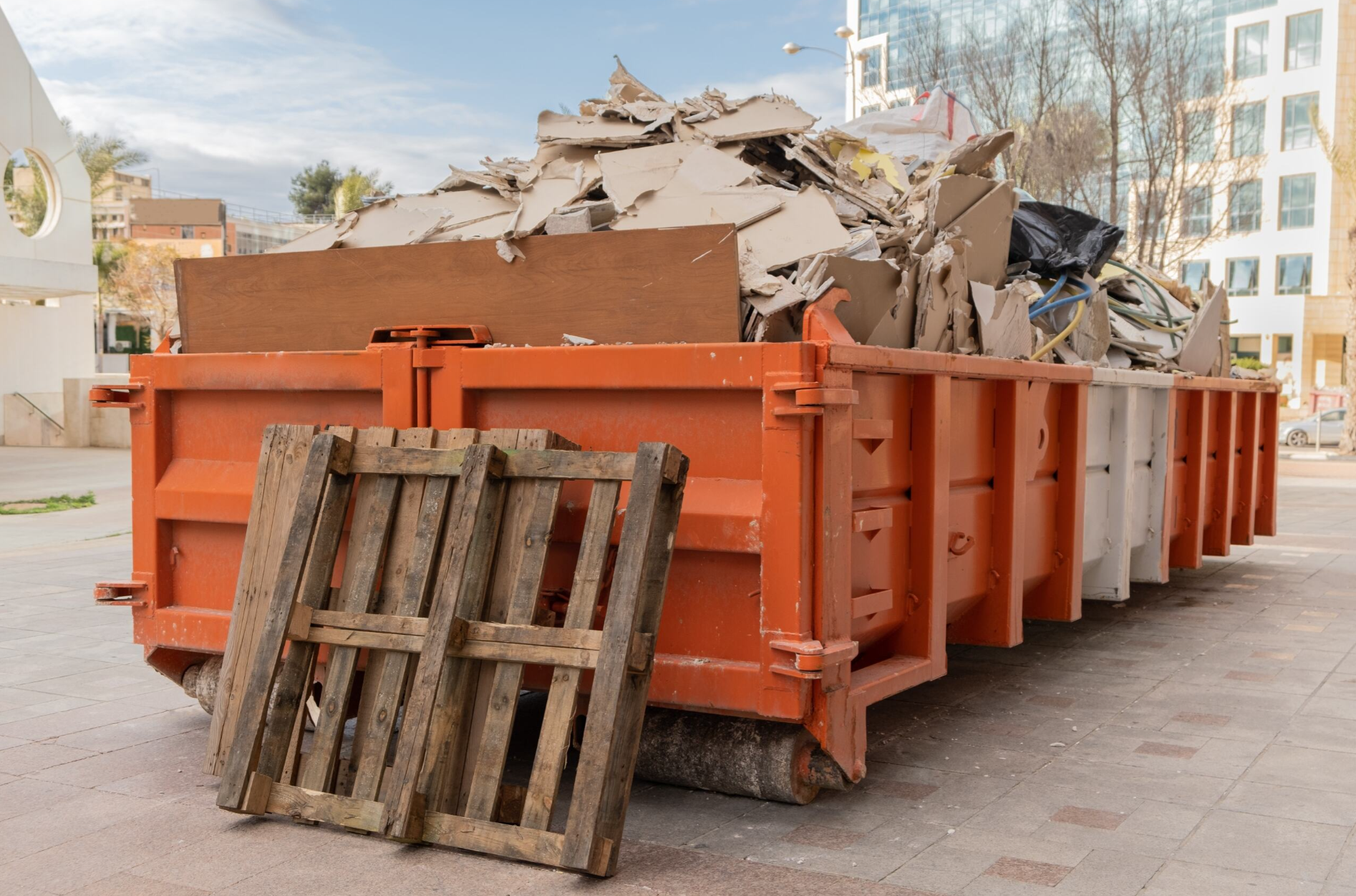
- Underestimating bulky or irregular items. Mattresses, whitegoods and furniture with awkward shapes leave large unusable gaps around them, reducing the bin's effective capacity well below its stated volume.
What Happens If You Choose the Wrong Size?
Getting the size wrong in either direction has a real cost. Overestimating means paying for space you never use – a common outcome when people size up ‘just in case’ without a clear waste estimate. Underestimating tends to be more disruptive: an overflowing bin usually can't be collected as booked, which can mean arranging a second bin, paying an additional hire fee or delaying the rest of the project while waste piles up on site.
For time-sensitive jobs – a renovation with trades booked in or a rental clean-up ahead of a new tenant – a bin that fills too early can hold up everything scheduled after it.
How to Choose the Right Skip Bin Size
Accurate sizing comes down to realistic planning rather than guesswork. A few practical steps help:
- Estimate by wheelie bin equivalent. Most skip bin providers list capacity in terms of standard wheelie bins, which gives a more intuitive sense of volume than cubic metres alone.
- Account for waste type, not just quantity. Mixed, bulky or irregular waste needs more room than the same weight of dense, uniform material.
- Check weight limits, especially for soil, concrete or bricks. These materials hit weight limits well before they fill the bin visually.
- Round up for renovation and demolition jobs. These project types are the most likely to generate waste you haven't accounted for as work progresses.
- Ask for advice before booking. According to industry best practice, an experienced skip bin provider can quickly match a project description to the right size based on patterns seen across similar jobs, which is often more reliable than self-estimating from scratch.
If you're planning a clean-up, renovation or demolition on the Sunshine Coast, talking through your project with a skip bins provider on the Sunshine Coast before you book is the simplest way to avoid paying for unused space or running into overflow part-way through the job. The same applies if you're just outside the Sunshine Coast region. Our team also provides skip bin hire in Brisbane for residential, commercial and construction projects of every scale. Contact Chilli Bins Skip Bins to learn more today.
Frequently Asked Questions
How do I know what skip bin size I need?
Match the bin to both your project type and the nature of your waste, not just the visible pile. Garden waste, renovation debris and demolition material all behave differently once loaded, so it helps to describe your project to a provider who can recommend a size based on similar jobs.
Is it better to size up or size down when unsure?
Sizing up slightly is generally the safer option. Paying for a little extra space costs less than an overflow fee, a second bin hire or a delayed collection.
Does skip bin size affect weight limits?
Yes. Larger bins generally come with higher weight allowances, but dense materials like soil, bricks and concrete can hit the weight limit long before the bin is visually full, regardless of size.
Can I mix different types of waste in one skip bin?
Many providers accept mixed loads, though some materials – like soil, green waste or certain construction debris – may need to be separated depending on local disposal requirements. Check with your provider before loading the bin.
What size skip bin is best for a renovation?
Renovation waste tends to mix hard and soft materials that don't compact evenly, so it's common to need a size larger than the equivalent volume of garden or general waste. A mid-to-large bin is usually the safer starting point.
What happens if I overfill my skip bin?
An overfilled bin typically can't be collected as booked. This can mean arranging an additional bin, paying extra fees or delaying pick-up until the waste is brought within the bin's limits.
Recent Posts