How To Choose The Right Skip Bin Type In Brisbane For Your Project
Renovations rarely end when the tools are packed away. Instead, they leave behind splintered timber, cracked tiles, outdated fittings and piles of packaging edging closer to the kerb. Even a simple garage clean-out can escalate into a mound of unwanted items that quickly outgrows your household bins. That is usually when people begin searching for skip bin hire in Brisbane, only to realise they are not entirely sure what can go in a skip bin Brisbane residents are permitted to use. Understanding skip bin rules Brisbane households and worksites must follow is about more than avoiding a warning sticker. It directly affects disposal costs, collection timelines and safety. Different skip bin waste types are processed differently at waste facilities, and placing the wrong materials inside can result in reclassification fees or rejected loads. Before you start loading your bin, it pays to know exactly what belongs inside and what needs separate disposal.
General Household Waste Is Widely Accepted
For everyday clean-ups, mixed general waste bins are the most common choice. This category covers typical household items that accumulate during decluttering projects, moving house or clearing out a rental property. As long as the waste is non-hazardous and reasonably dry, it will usually be accepted in a general skip bin.
Common general waste items include:
- Broken furniture without hazardous components
- Clothing & textiles
- Toys & household goods
- Non-recyclable plastics
- Cardboard & packaging
The key restriction is contamination. Liquids, chemicals or flammable materials are not considered general waste. Keeping your load within the correct category ensures smooth collection and predictable pricing.
Renovation Debris Requires The Correct Classification
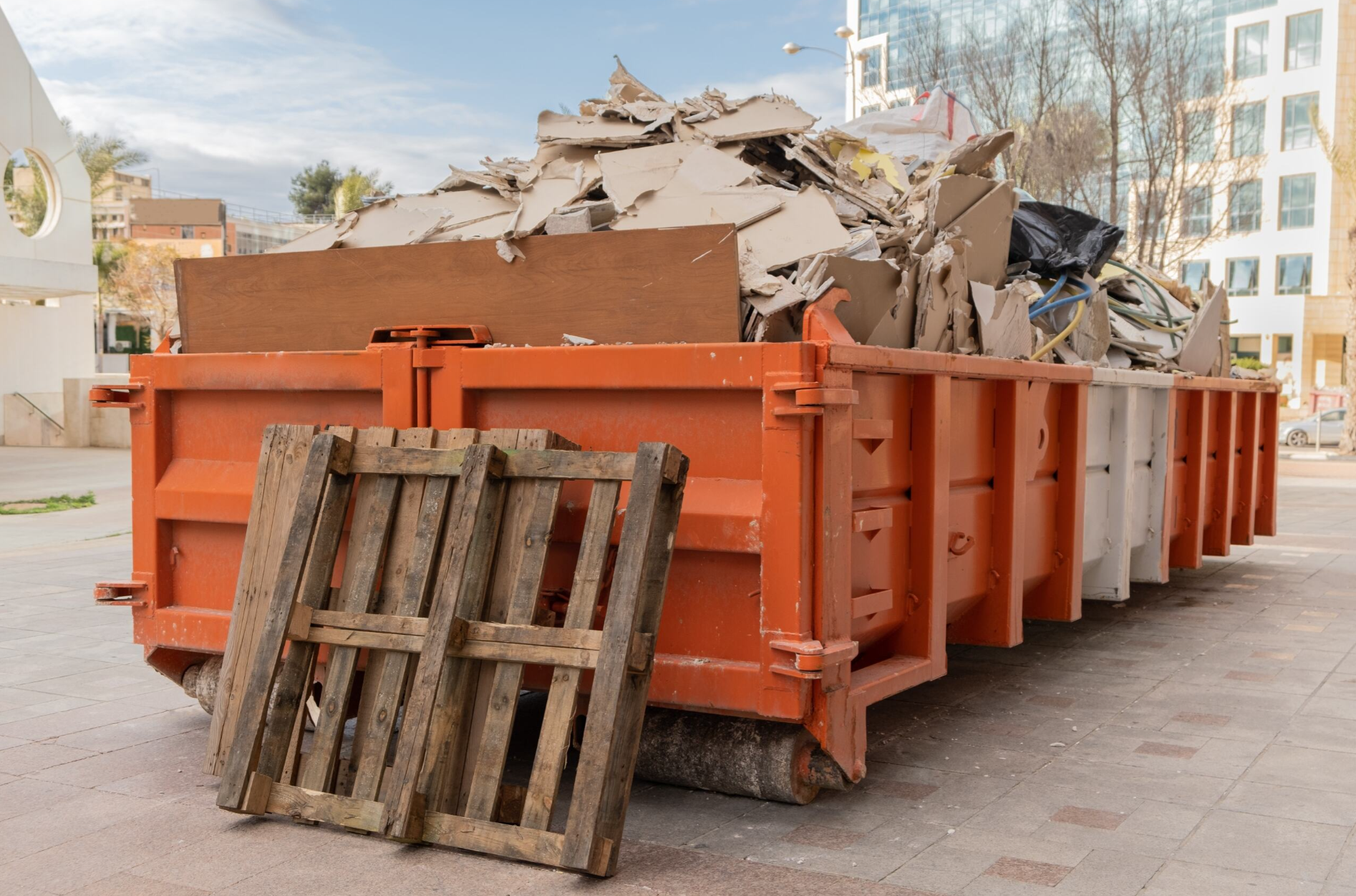
Building and renovation projects produce a different type of waste stream. Materials such as timber, plasterboard and flooring are often permitted, but they must align with the selected bin type. Heavy materials in particular can exceed weight allowances if placed in a standard mixed waste skip.
Renovation waste may include:
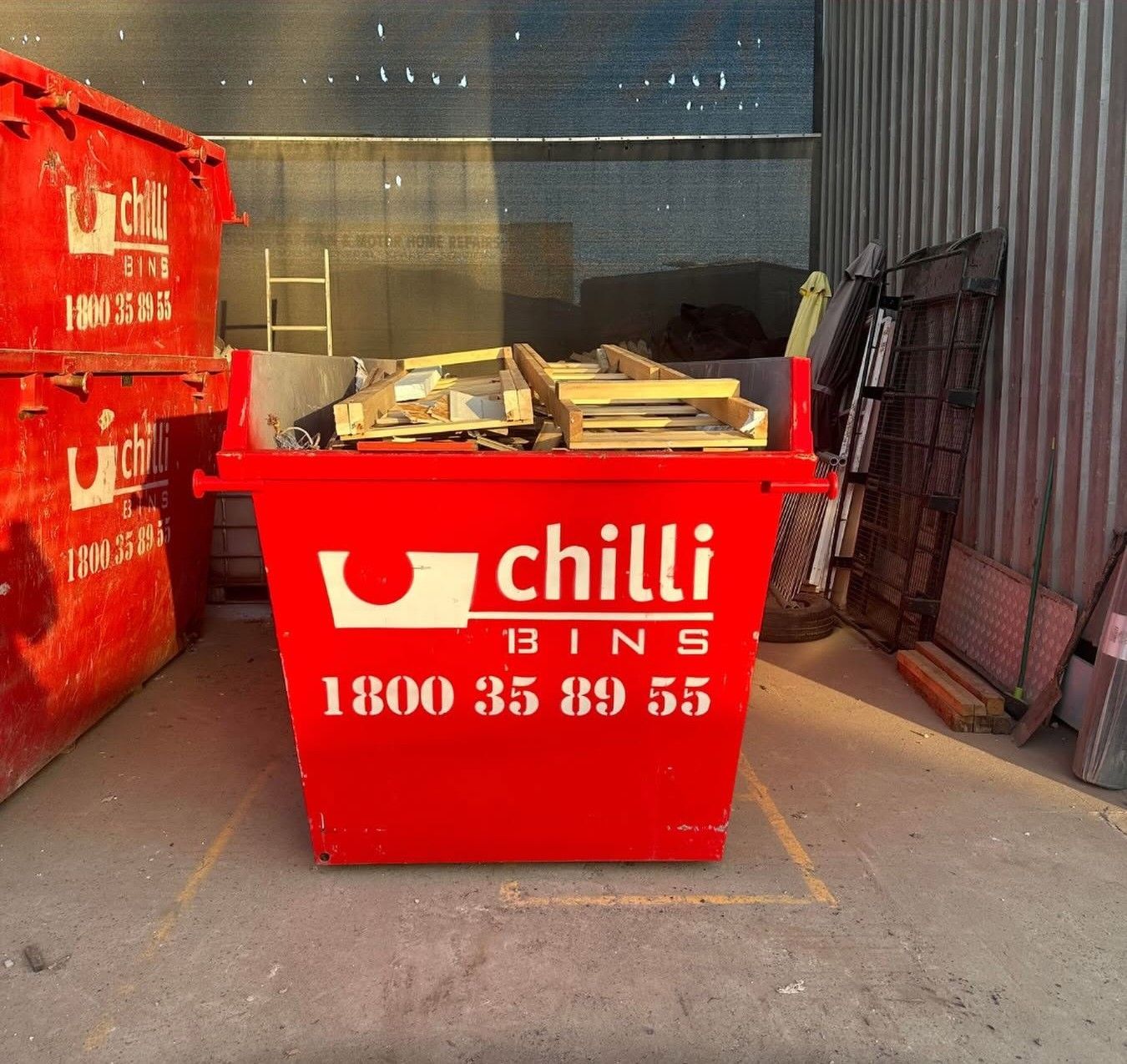
- Timber framing & offcuts
- Cabinetry & shelving
- Carpet & underlay
- Roofing sheets
- Bathroom or kitchen fixtures
Concrete, bricks and tiles are typically accepted only in dedicated heavy or clean fill bins. Mixing dense rubble into a general waste skip is one of the most common reasons for excess weight charges.
Green Waste Must Remain Fully Organic
Garden clean-ups create a surprisingly large volume of waste. Green waste bins are designed for biodegradable material only. For this reason, they must remain free of plastic, metal, soil contamination and treated timber. Waste facilities process organic loads differently, so purity matters.
Accepted green waste items generally include:
- Tree branches & prunings
- Grass clippings
- Leaves
- Shrubs & plants
- Untreated timber
Painted or chemically treated wood cannot be included. Even small amounts of non-organic material can cause the entire bin to be reclassified as mixed waste, which usually attracts higher disposal costs.
Hazardous Materials Are Strictly Off Limits
There is no flexibility when it comes to dangerous substances. Hazardous materials are prohibited in standard skip bins because they pose environmental and safety risks during handling and transport. Disposal facilities operate under strict regulations, and these items require specialised processing.
Prohibited materials commonly include:
- Asbestos
- Paints & thinners
- Chemicals & pesticides
- Gas cylinders
- Fuel, oil & other flammable liquids
Attempting to conceal hazardous waste can lead to substantial penalties and immediate refusal of collection. These materials must be disposed of through approved hazardous waste programs.
Electrical Waste & Batteries Need Separate Handling
Electronic items fall into their own regulated category. E-waste contains components that must be recycled or processed safely to prevent environmental harm. While some metal appliances may be accepted under certain waste types, electronics and battery-powered devices often require dedicated disposal pathways.
Items that may be restricted include:
- Televisions & monitors
- Desktop computers & laptops
- Printers & scanners
- Refrigerators & washing machines
- Power tools with lithium batteries
Batteries present a particular fire risk if damaged or compacted. Confirming acceptance conditions before loading electrical items prevents collection delays.
Mattresses, Tyres & Bulky Items May Incur Surcharges
Some everyday items are allowed but attract additional processing fees. Mattresses and tyres require specialised recycling, and waste facilities charge accordingly. These costs are typically passed on by skip bin providers as per-item surcharges.
Bulky items that often incur extra charges include:
- Mattresses & bed bases
- Car & truck tyres
- Large upholstered lounges
- Rubber materials
Declaring these items when booking your bin ensures accurate pricing from the outset and avoids unexpected invoices after collection.
Overfilling & Weight Limits Affect Collection
Correct loading is essential for safe transport. Each skip bin has a marked fill line that must not be exceeded. Waste stacked above the rim can shift during transport and create hazards on the road. Collection drivers are required to refuse overfilled bins.
To load safely & efficiently:
- Keep waste level with the top edge
- Break down large items
- Spread heavy materials evenly
- Avoid compacting waste with machinery
Exceeding weight limits can also trigger additional charges. Even if the bin looks half full, dense materials like concrete can quickly push it beyond allowable limits.
Contamination Is A Common Cause Of Extra Fees
One of the most frequent misunderstandings involves mixing waste types. Waste facilities sort loads based on strict categories. If a green waste bin contains plastic or a clean fill bin includes timber, the entire load may be reclassified as mixed waste. This often results in higher disposal fees.
Typical contamination issues include:
- Mixing soil with construction debris
- Adding food waste to renovation bins
- Including treated timber in green waste
- Placing restricted items at the bottom of the load
Sorting waste before it goes into the bin is far simpler than disputing a reclassification charge later. Clear communication about skip bin waste types ensures you choose the correct service from the beginning.
Book With Confidence & Avoid Unnecessary Fees
Hiring a skip bin should make your clean-up easier, not more complicated. We at Chilli Bins help homeowners, renters, renovators and tradies understand skip bin rules and choose the right waste category from the beginning. By clearly outlining what can go in a skip bin and what requires alternative disposal, we help reduce contamination risks, prevent avoidable charges and ensure smooth collection. If you are organising skip bin hire across Brisbane, contact us today to book your bin or speak with our team about the right solution for your specific waste type.
Recent Posts