Storm Season Clean-up In Brisbane: How A Skip Bin Makes Recovery Easier
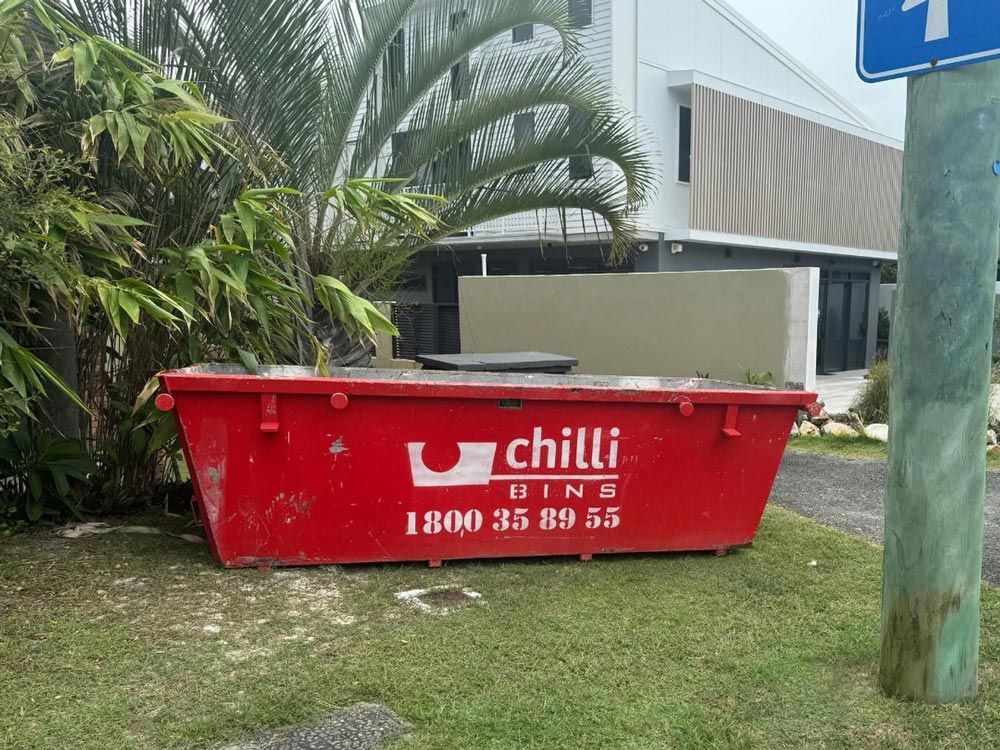
Fallen branches, broken fencing and scattered garden debris can leave you with plenty to clear after a Brisbane summer storm. Organising skip bin hire in Brisbane makes the clean-up easier, giving you somewhere to put suitable waste as you go and saving repeated trips with a trailer.
Planning a storm clean-up in Brisbane starts with checking what needs removing, which materials can go together and where the bin can safely sit. Sorting those details first helps you work through the mess without having to move the same piles twice.

Why Storm Season Leaves Brisbane Yards Full of Debris
Summer storms can leave branches across the lawn, garden material scattered through the yard and damaged fencing along property boundaries. Strong winds can dislodge loose materials, while heavy rain makes debris wet and awkward to handle. Even a small yard can produce a sizeable pile once everything is gathered together.
The mix of waste adds to the challenge. Branches take up room, broken fence panels are difficult to stack and detached guttering can have sharp edges. For homeowners, landlords and property managers, planning storm debris removal gives the clean-up a clear starting point and somewhere for suitable materials to go.
Before moving anything, check whether the area is safe to enter. Leave unstable trees, hanging branches, damaged structures and anything near fallen powerlines to the appropriate professionals. A skip provides somewhere to load suitable debris once it is safe to handle.
What Storm Waste Can Go in a Skip Bin
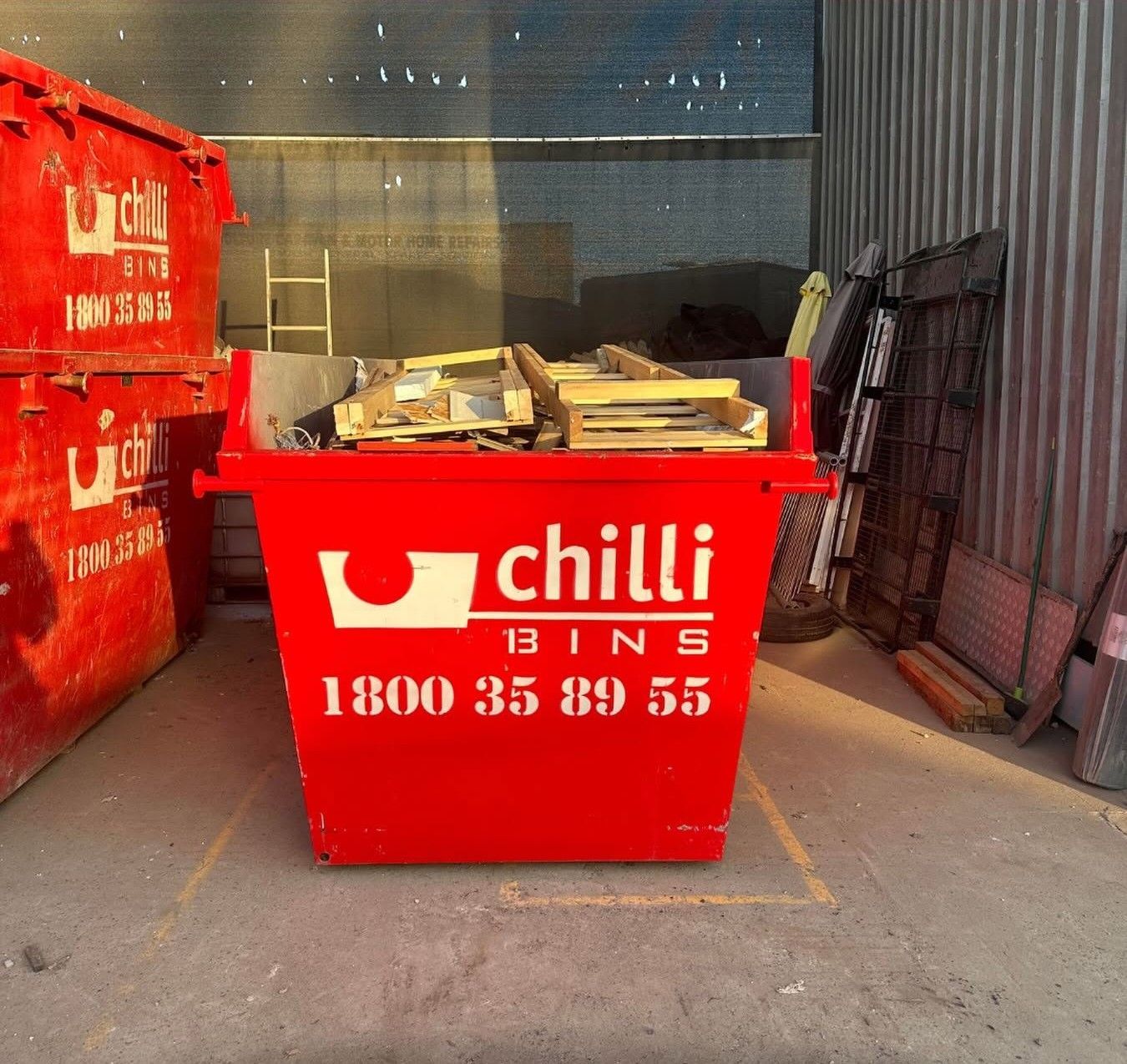
Branches, woodchips, weeds and grass clippings are accepted green waste. A green waste skip bin is useful when garden debris would quickly fill the household wheelie bin or require several trailer loads to remove. Mixed loads are also accepted, allowing suitable garden waste and accepted timber or metal debris to go together. Broken fencing and detached guttering should be checked before loading, particularly if you are unsure what they are made from or whether other materials are attached.
For example, a typical yard clean-up might involve fallen branches, grass clippings from tidying the lawn and broken timber fence sections. Allowing for the whole pile helps you choose a suitable bin rather than estimating for the branches alone. For household jobs, residential skip bin hire provides a practical way to collect accepted waste as the clean-up progresses.
Soil and dirt need a separate skip. Keep them apart from garden debris, especially when clearing uprooted plants with soil attached. Mixed-load acceptance does not mean every material can go into the same bin.
What Needs to Stay Out of the Bin
Some materials cannot go into the skip, even if they have been damaged or uncovered during a storm. Checking before loading prevents unsuitable items from ending up buried beneath branches and fencing.
The following items are not accepted:
- Asbestos
- Chemicals & paint
- Gas bottles & batteries
- Fridges & freezers
- Computers & electronic equipment
Do not break up suspected asbestos or load unidentified building fragments. Excluded materials need an appropriate disposal option, so seek specialist advice where necessary. If an item’s suitability is unclear, confirm it with the skip provider before loading.
Flood-damaged or potentially contaminated waste also needs separate assessment. It should not be treated as ordinary garden or household debris suitable for a standard storm clean-up load.
Choosing The Right Skip Size for a Storm Clean-Up
When choosing skips in Brisbane, consider the volume and shape of the debris rather than the size of the yard alone. Long branches and fence sections leave gaps, meaning bulky storm waste can take up more space than expected.
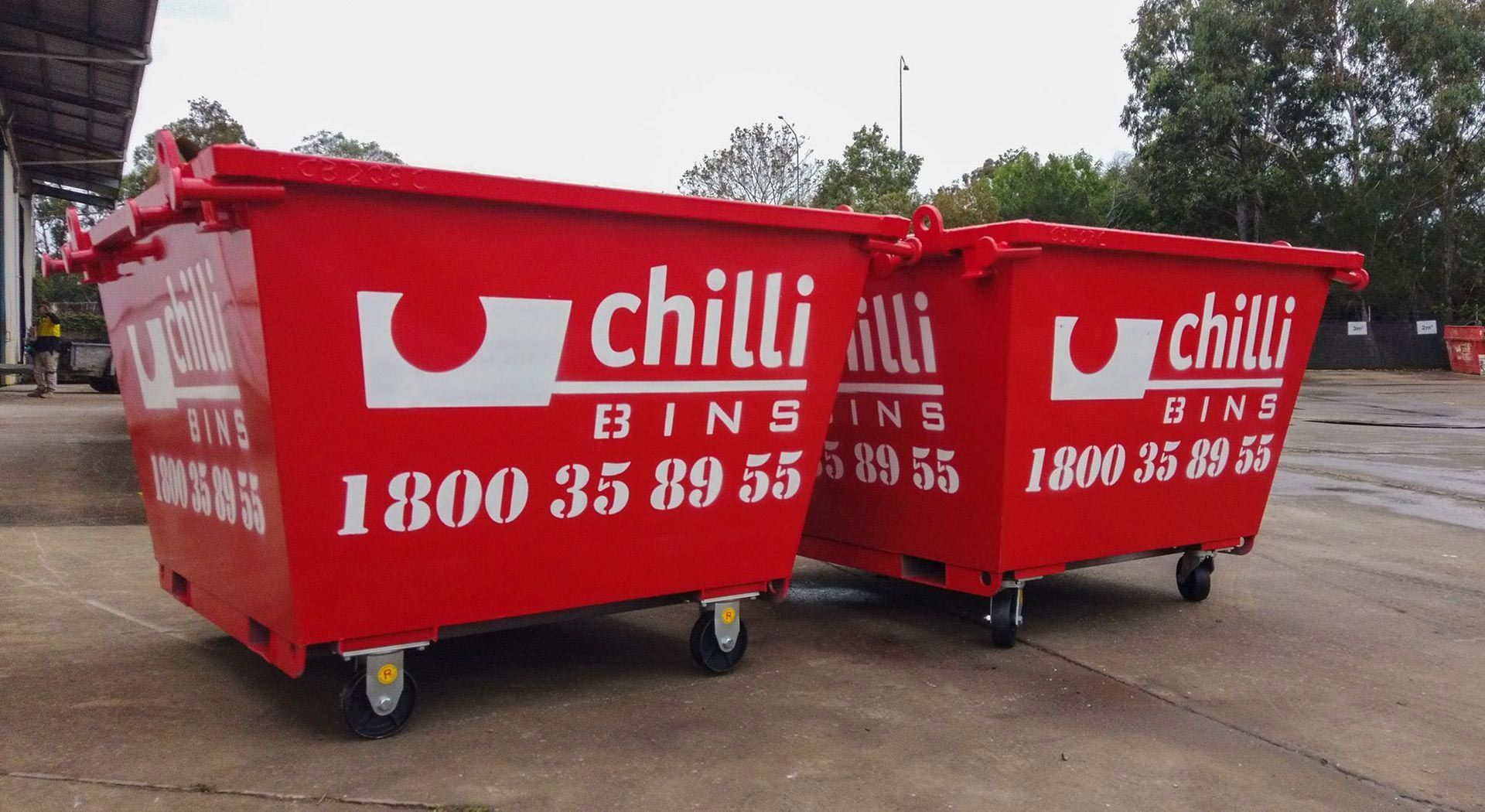
Available bins range from 2m³ to 15m³. A smaller bin may suit a limited garden tidy-up, while a larger pile of branches and damaged materials may need more capacity. Comparing skip bin sizes is a useful starting point, followed by a discussion about the type and amount of waste. Walk around the whole property before booking. Include debris beside sheds, behind garden beds and along fences, plus any suitable waste that planned repairs will produce. Photos of the piles can help explain the job when discussing the size required.
A garden waste skip bin needs enough room for the planned load without branches or panels extending above the rim. Confirm loading and weight limits before filling it, particularly if a separate soil skip is also required.
Where To Place Your Skip After a Storm
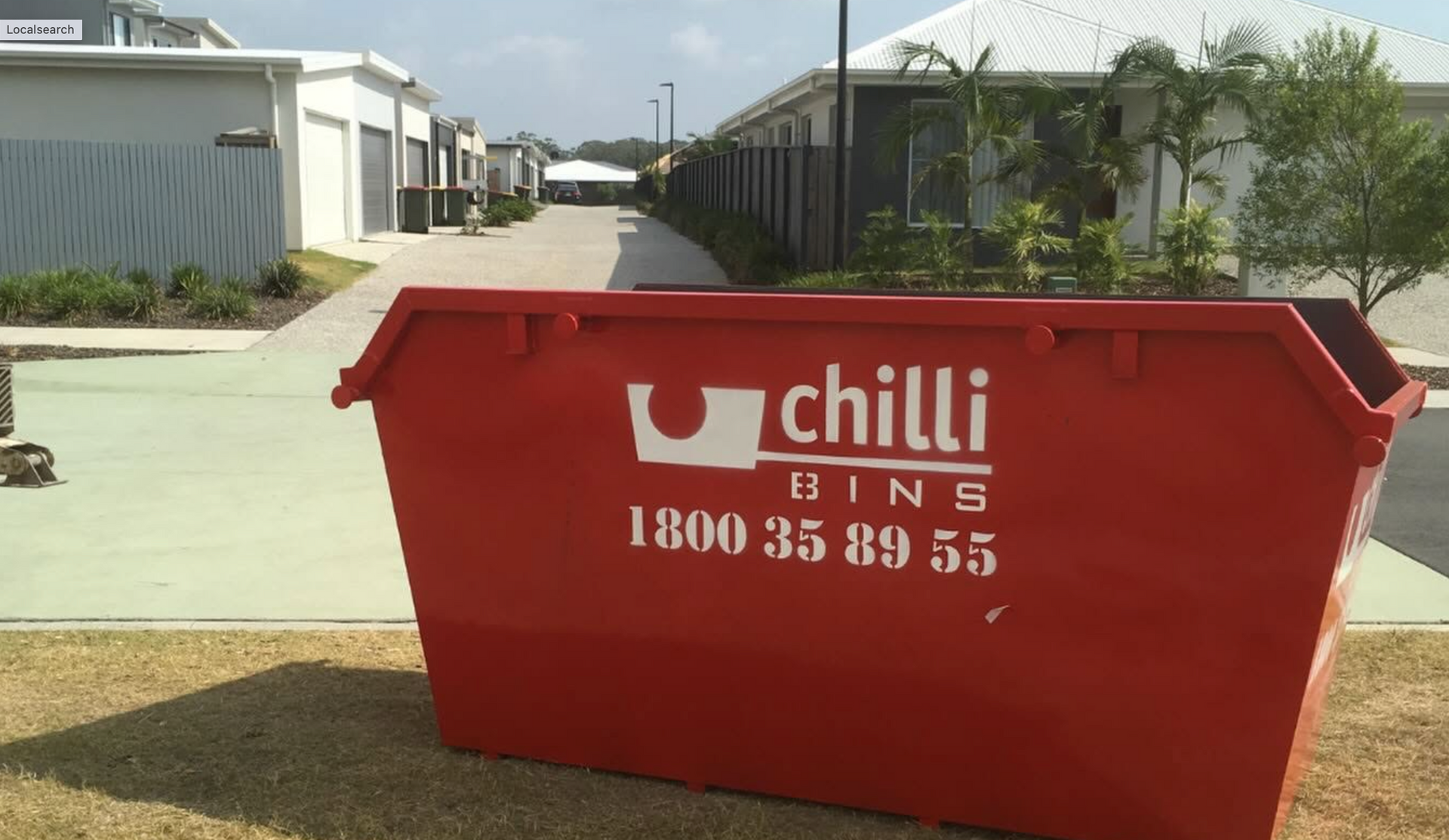
A firm, level area on private property is a useful starting point, provided it can support the bin and the delivery truck can reach it. After heavy rain, check for soft ground, pooling water and fallen debris before deciding on the location. Positioning the bin close to the clean-up area can reduce carrying distances, but access to the home still needs to remain practical. Consider gates, garages, shared driveways and the route needed for repairs. Tell the skip provider about narrow access, low branches or other restrictions before delivery.
If the bin needs to sit on a road, footpath or verge, check the relevant council’s current requirements before booking. Placement requirements can depend on the location and how long the bin will remain there.
The guide to council considerations for skip bin placement provides a useful introduction. Confirm the current requirements with the council responsible for the property, rather than assuming the same rules apply across Brisbane and surrounding areas.
Booking A Skip Bin In Brisbane With Chilli Bins
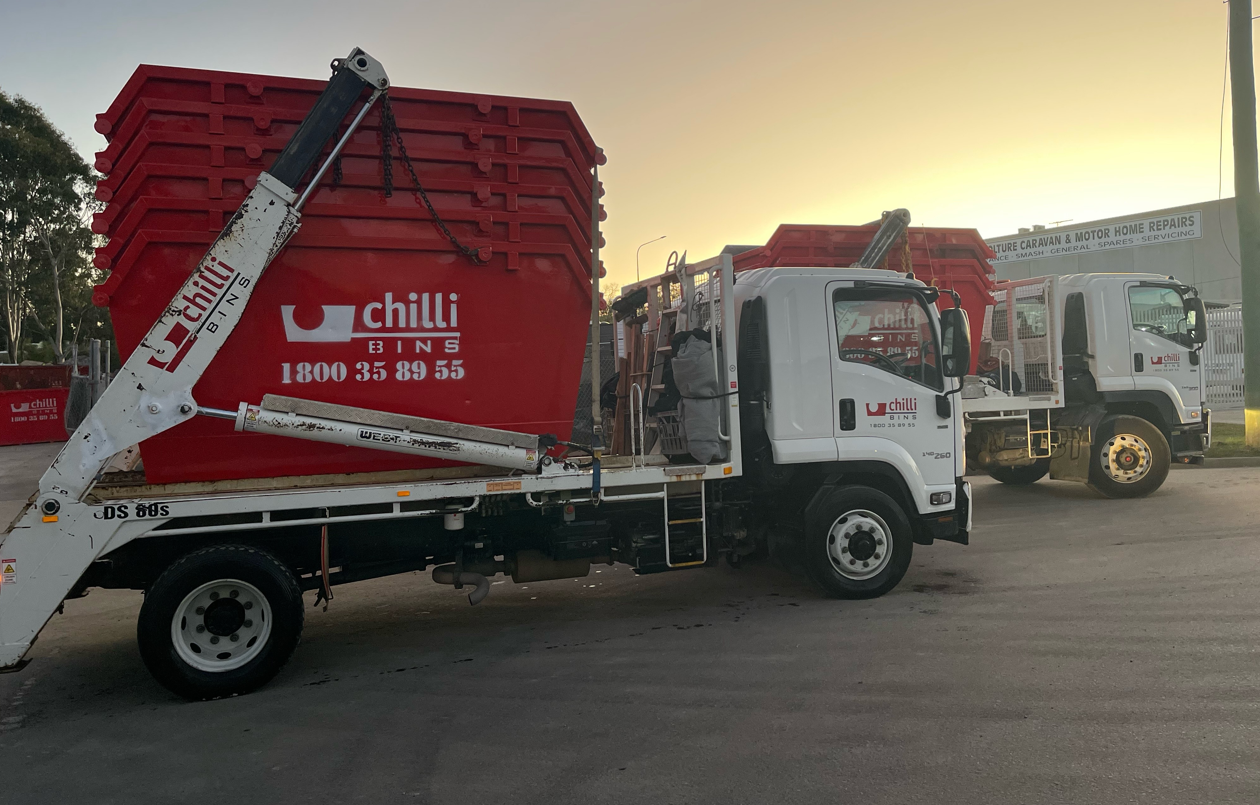
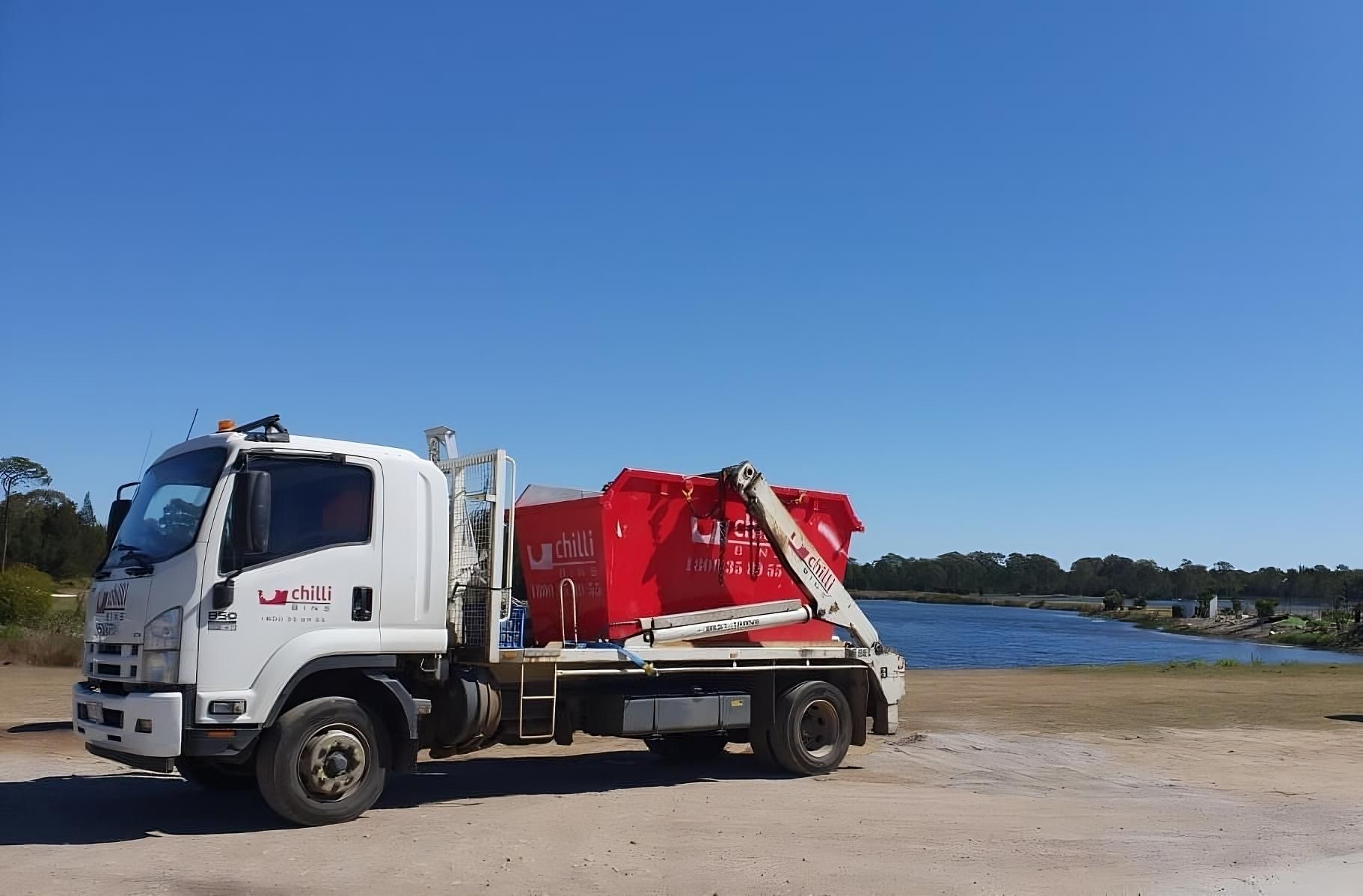
At Chilli Bins Skip Bins, we provide next-day delivery across Brisbane, with same-day delivery where scheduling allows. Our standard hire period is seven days, with extensions available if the clean-up takes longer. Our Brisbane skip bin hire service covers North Lakes, Chermside, Carindale, Logan, Ipswich and Redcliffe. We offer bins from 2m³ to 15m³ and accept mixed loads of suitable materials, with soil and dirt requiring a separate skip.
When booking, tell us your suburb, preferred delivery date, waste types and proposed placement. Mention any access affected by the storm so we can discuss the delivery arrangements before the bin arrives.
Checking the waste, allowing enough capacity and choosing a suitable placement helps make the clean-up more manageable. Call Chilli Bins Skip Bins on
1800 358 955 to discuss your storm clean-up and arrange a suitable skip.
Frequently Asked Questions
Should I Photograph Damage First?
If you intend to make an insurance claim, check your insurer’s instructions before disposing of damaged items. Where safe, photograph the damage and keep records of the clean-up.
How Should I Load Branches?
Arrange manageable branches within the bin to reduce large gaps. Avoid forcing oversized pieces into place and keep the load within the agreed limits.
Can Neighbours Share a Skip?
Discuss the arrangement with the skip provider before booking, including the combined waste and delivery location. Agree who will oversee loading so excluded materials stay out.
What Should Property Managers Organise?
Confirm access and the proposed placement with the owner and occupants. Give everyone involved clear instructions about accepted waste so repairs and yard clean-up do not create an unsuitable load.
Recent Posts